Identifying & Exploiting Immune Checkpoint Targets for Next Generation Cancer Therapies
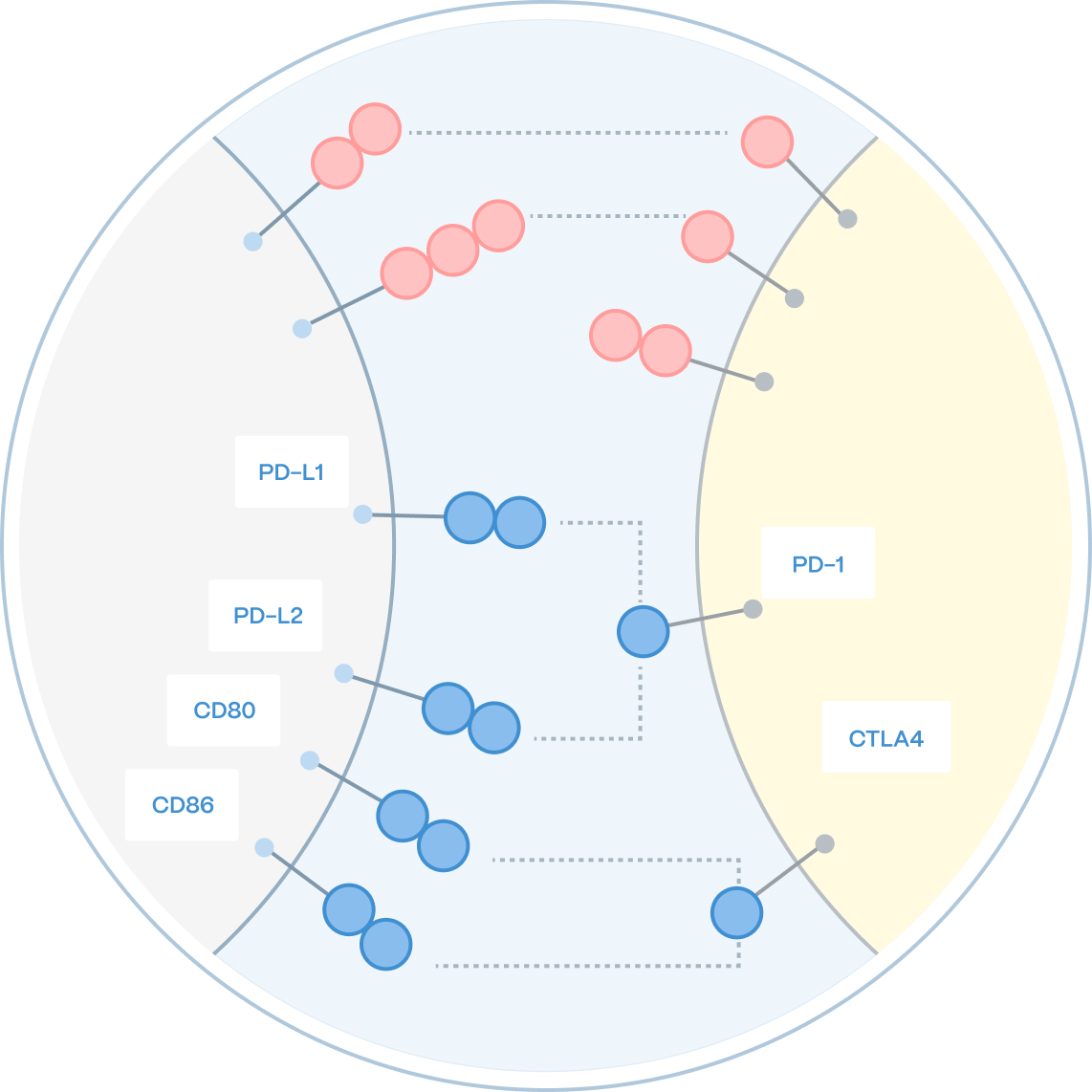
Tumors can progress only if they evade the immune system. Many tumors have evolved mechanisms of exploiting cancer-preventing 'checkpoints' in the immune system to their advantage.
Therapeutic antibodies targeting these checkpoints restore anti-tumor immune function allowing the immune system to recognise and kill cancer cells.
OBT leverages detailed mapping of cell surface proteins expressed on cancer cells, normal tissue cells, tumor-infiltrating lymphocytes (TILs) and healthy immune cells to identify molecules involved in tumor-immune cell cross-talk.
OBT has identified novel targets and pathways involved in immune surveillance and tumor immune evasion thereby generating a unique insight into the cancer–immune cell interface. OBT is in the process of translating several of these molecules into powerful immune-modulatory therapies targeting multiple immune cells and cancer types.
Expansion
Comparative analysis of lymphocytes from normall tissue and tumour
Isolation
Novel IO target specific to TILs identified
Analysis
Novel TILs specific target
Novel IO therapeutics
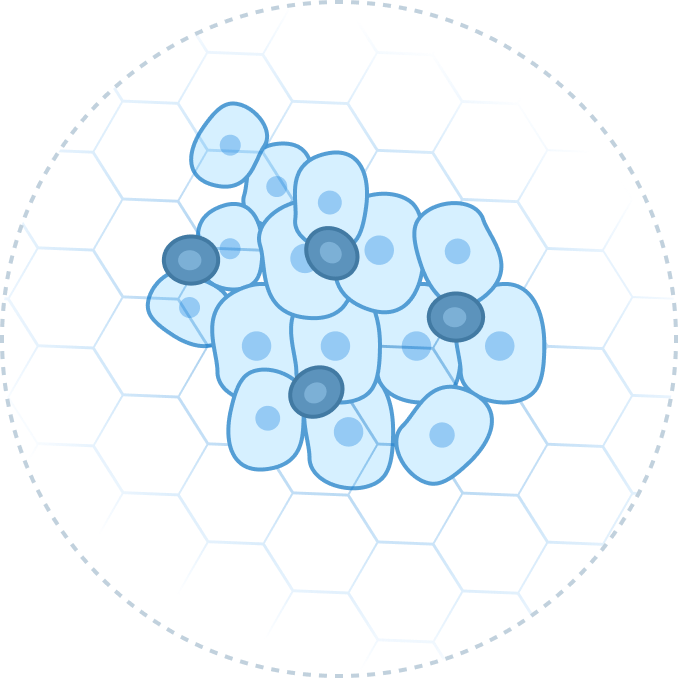
Normal tissue
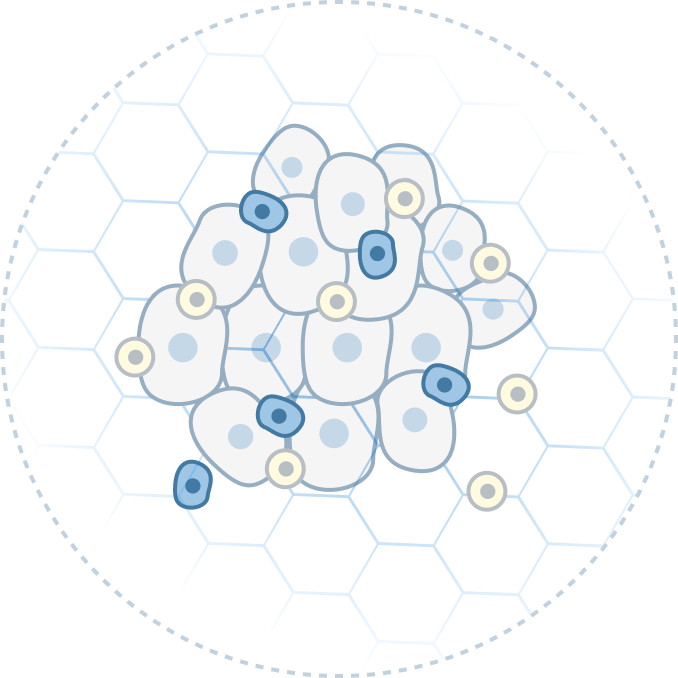
Cancer tissue
Analysis
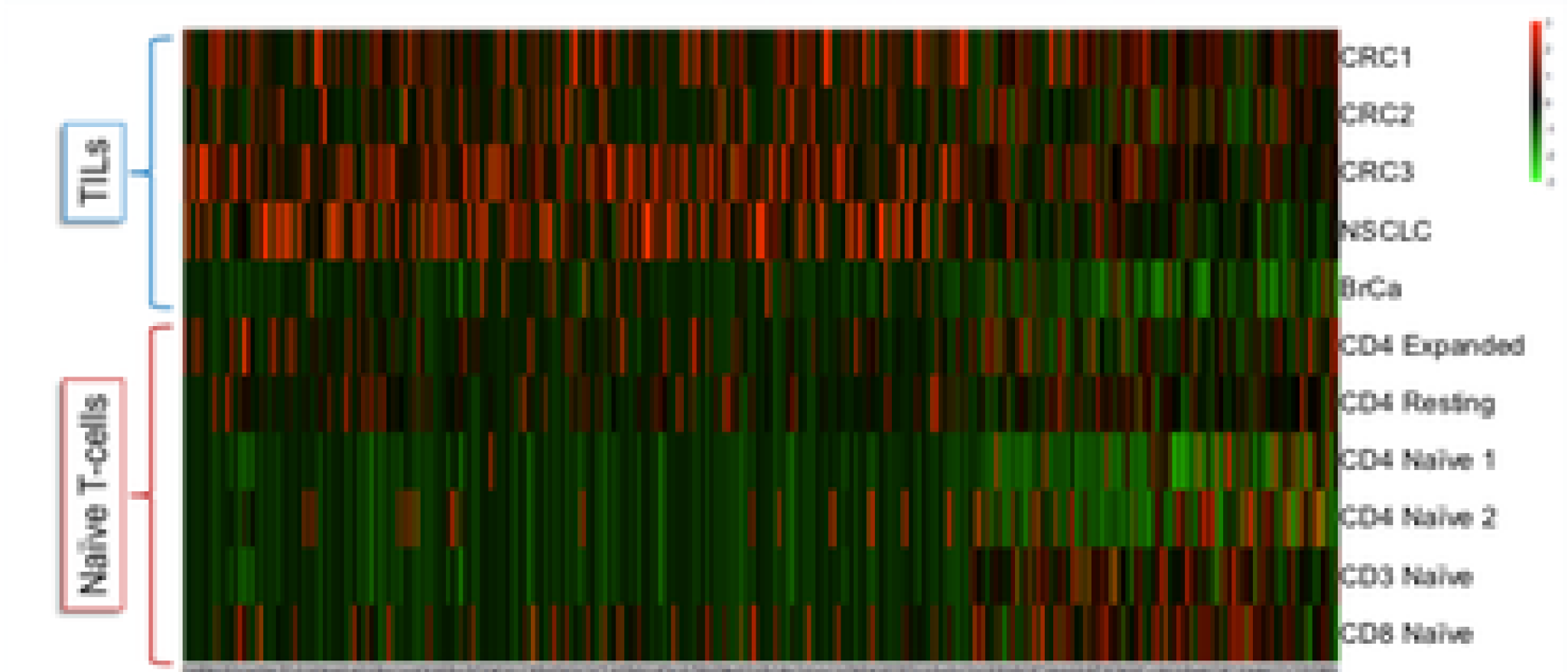
Exhausted T cell and TIL proteomics
Proteomic expression in TILs and native T cells isolated from buffy coat. Generated with the pheatmap package available in R (Version > 3.2.0) using a binary distance matrix and Ward scoring methods. TILs display unique proteomic signature as compared to native T cells allowing for discovery of unique immuno-oncology targets and biomarkers (Kanit et al. (2013) ASMS 61st meeting Poster session MP25: 497).
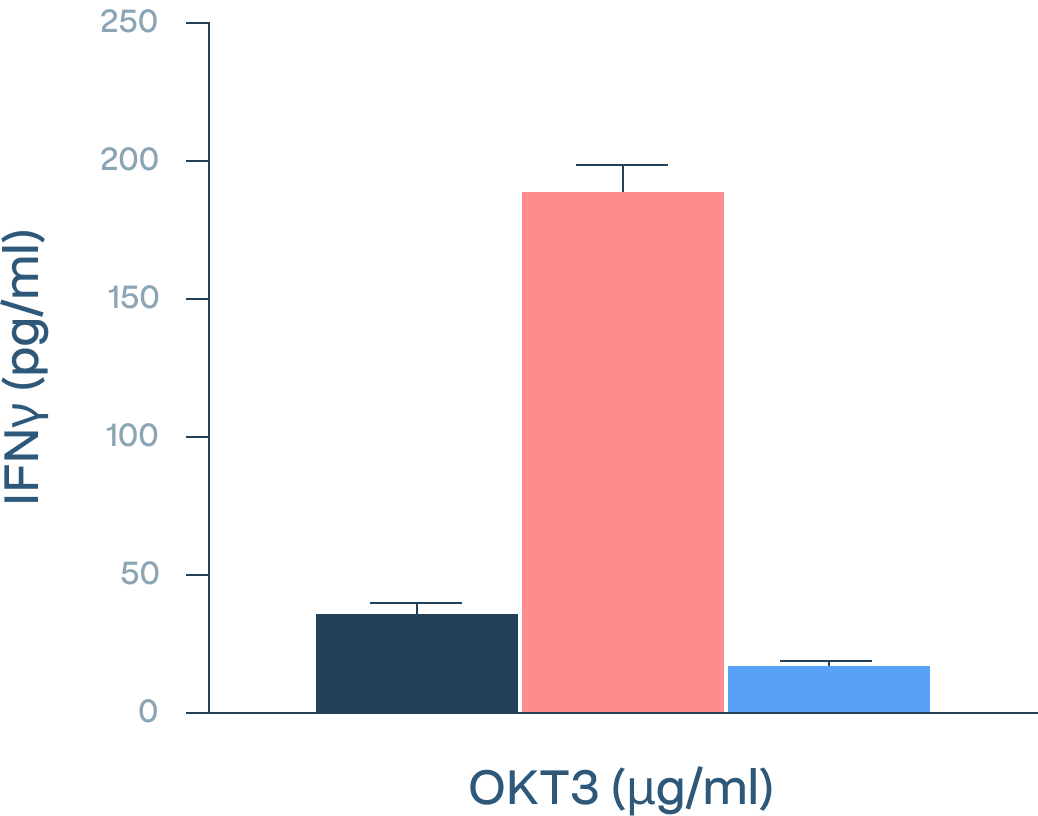
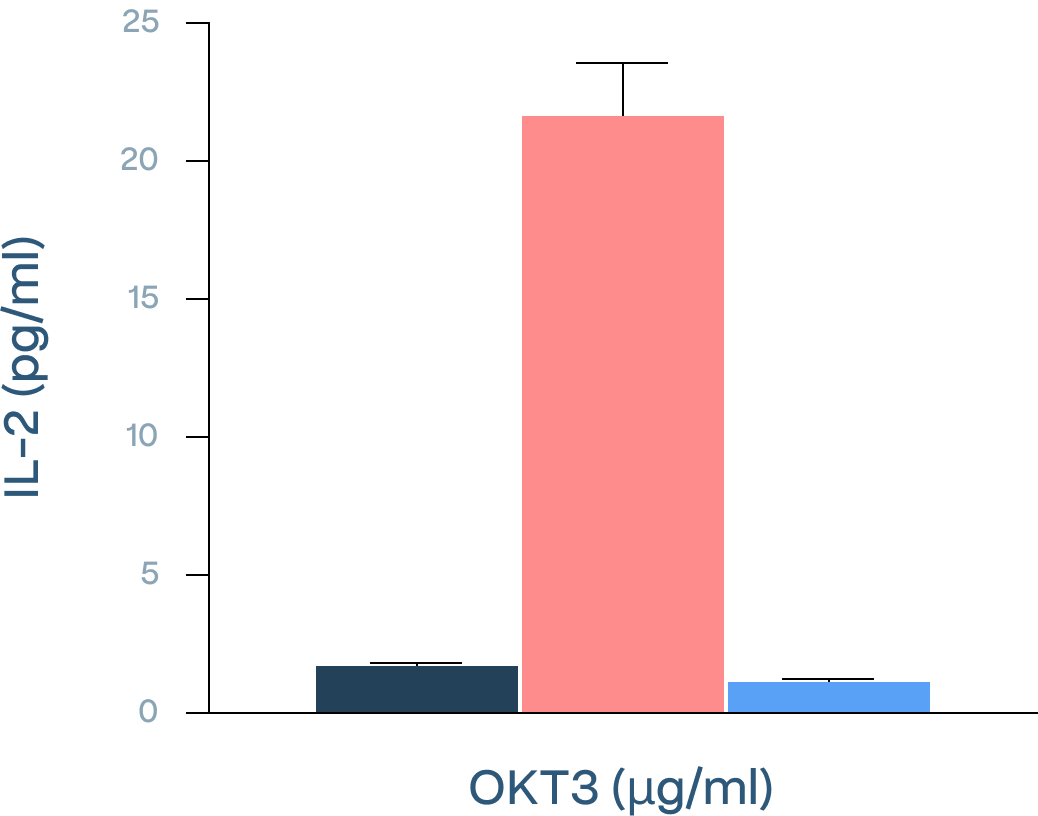
Functional anti-OXBT185 activates T cells
In vitro cytokine release using PBMCs primed with OKT3. IFNγ and IL-2 were measured using ELISA kits available from eBioscience. As expected PD-L1-Fc (R&D systems) inhibited cytokine release, while anti-OXBT185 stimulated production of IFNγ and IL-2.
Isotype
anti-oxbt185
pd-l1fc
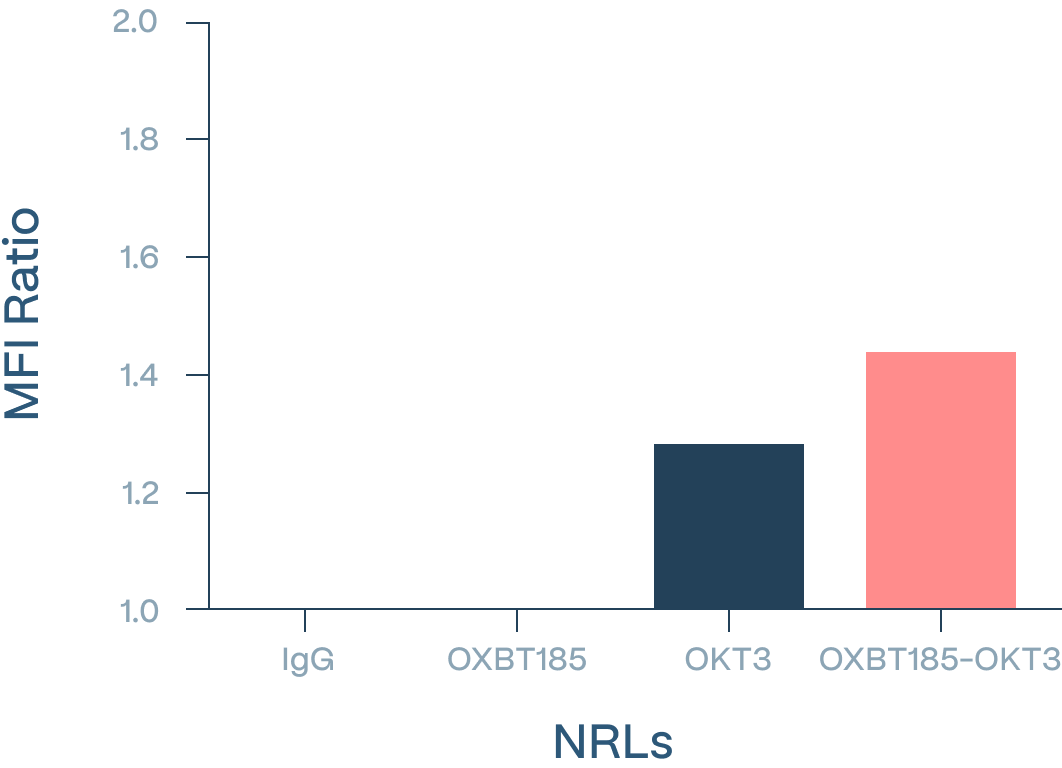
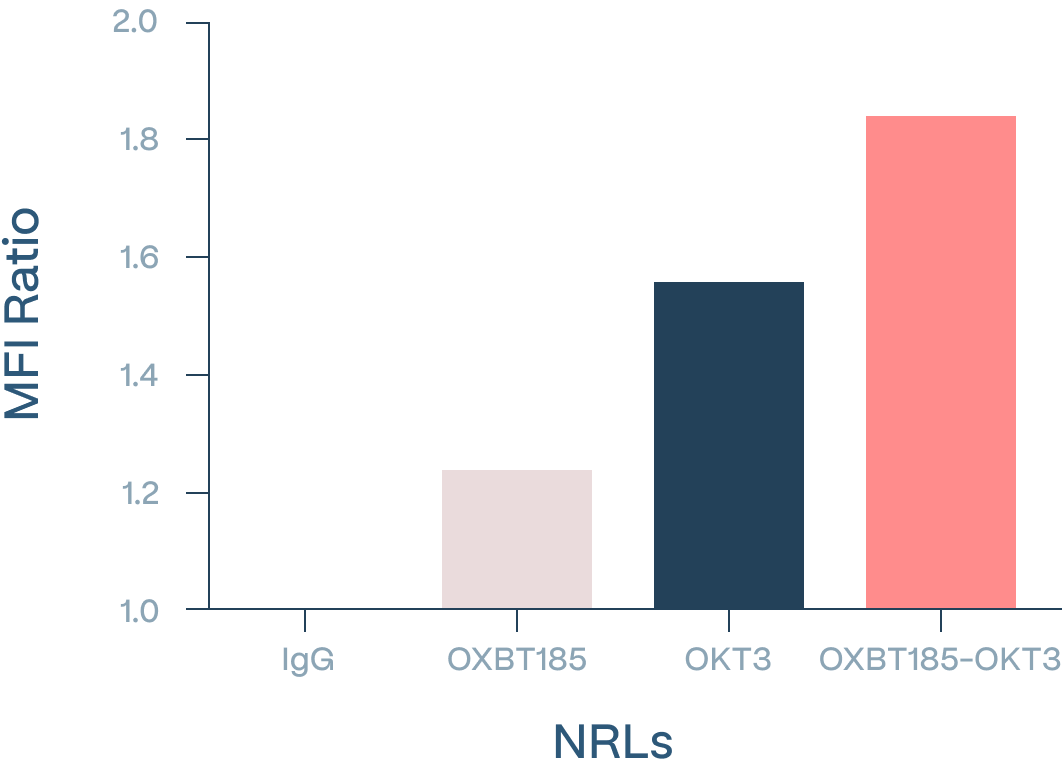
Functional anti-OXBT185 activates TILs in tumor explant
Ex vivo cytokine release using NRLs (A) and TILs (B) primed with OKT3. Ratio against IgG isotype control indicated more IFNγ producing cells from TILs when stimulated with anti-OXBT185. Anti-OXBT185 stimulation induced IFNγ production in TILs but not in NRLs. Moreover, anti-OXBT185 synergised with low-level CD3 stimulation to boost IFNγ production.